The Most Printed Magic Cards Ever (and Why They Hold Value)
The most printed Magic cards ever are the five basic lands — Plains, Island, Swamp, Mountain, and Forest — which have appeared in nearly every Magic product since 1993. Among nonland cards, Sol Ring and Lightning Bolt lead the pack, each reprinted dozens of times across three decades.
The interesting part isn't the list. It's that several of the most reprinted cards in the game's history still hold meaningful value in the right printings — a lesson in why 'a card' and 'a printing' are two different things.
Basic lands: billions served
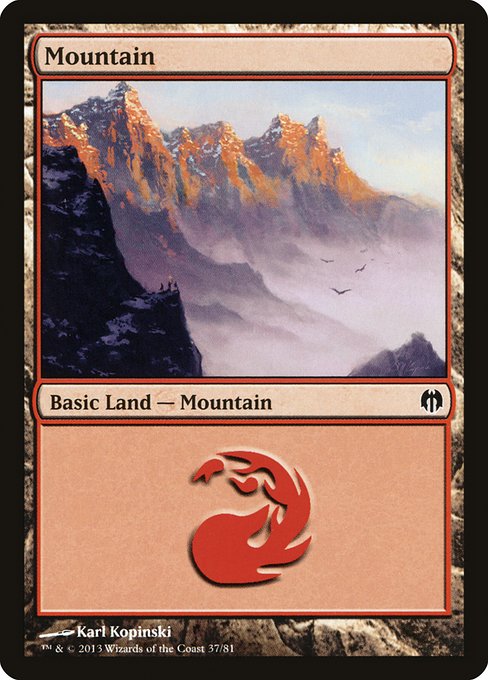
No card comes close to the basics. They've shipped in starter decks, boosters, bundles, and promotional products continuously since Alpha, and the total count across all five is comfortably in the billions.
And yet basic lands include some genuinely expensive cardboard. Alpha and Beta basics carry old-border cachet, the Guru lands (mail-order promos from the late 1990s with iconic Terese Nielsen artwork) are among the priciest basics in existence, and full-art basics from sets like Unglued, Unhinged, and Zendikar built an entire collecting niche. The lesson starts here: the name is infinitely printed, but specific versions are not.
Sol Ring: the Commander constant
Sol Ring debuted in Alpha in 1993 and has been reprinted relentlessly ever since — most visibly in nearly every preconstructed Commander deck since the format's first official product in 2011. If you've bought a precon in the last decade, you own a Sol Ring. Probably several.
Despite that, Sol Ring is a case study in printing-specific value. The Alpha and Beta originals are serious collector pieces, judge foils and special-frame versions command real premiums, and recent years have added serialized and premium-treatment versions aimed squarely at collectors. The floor for the cheapest printing stays low; the ceiling for the rarest keeps climbing.
Lightning Bolt and the reprint regulars
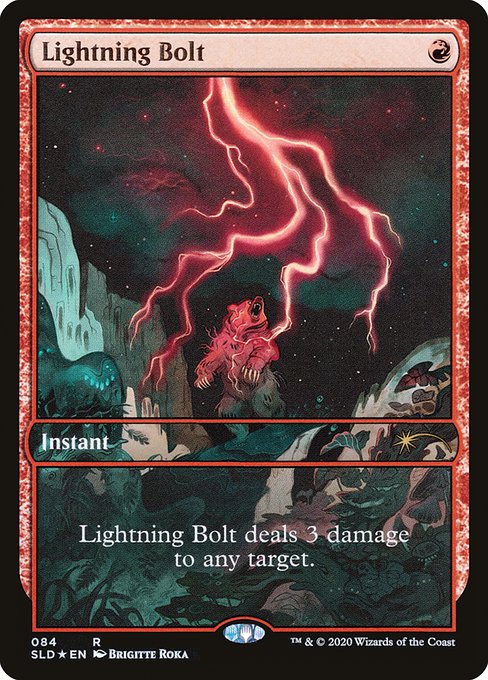
Lightning Bolt has been reprinted across core sets, Masters sets, and supplemental products since 1993, and it remains the measuring stick for cheap removal — 'dies to Bolt' is permanent vocabulary. Its most reprinted peers form a recognizable club:
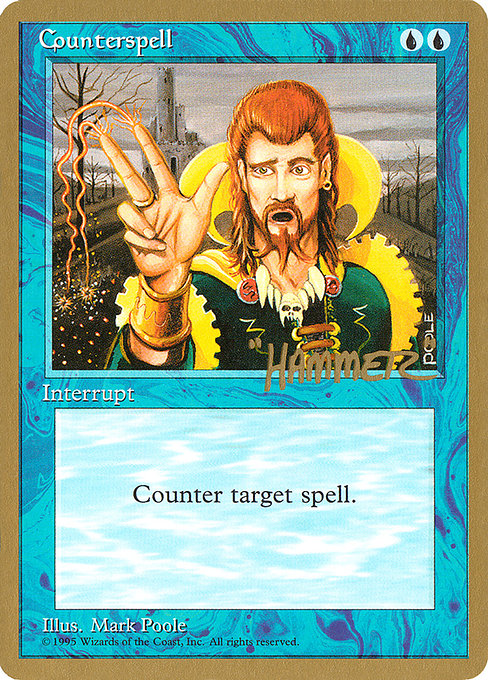
- Counterspell — the definitional blue answer, reprinted across decades of products
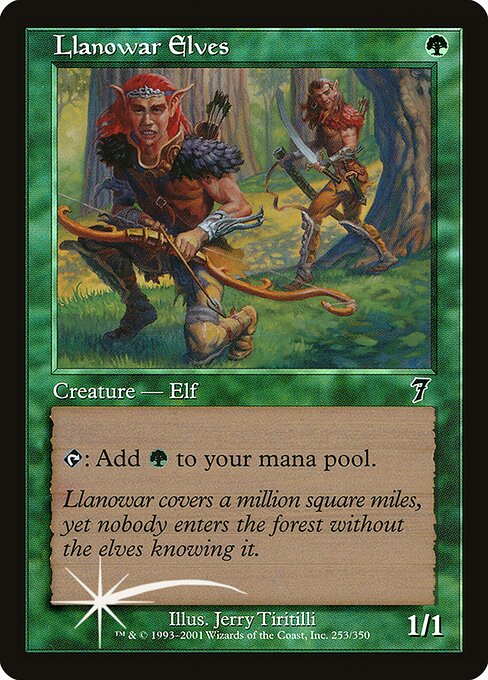
- Llanowar Elves — the one-mana elf that has taught mana ramp since Alpha
- Giant Growth — the classic combat trick, in print almost continuously
- Swords to Plowshares — white's premier removal, a staple of supplemental sets
- Command Tower and Arcane Signet — modern Commander staples now included in essentially every precon
- Shivan Dragon — the original box-art-worthy bomb, a core set fixture for years
Why endless reprints can still hold value
Reprints crush the price of the cheapest available printing — that's the point of reprints. But they rarely touch the value of the scarcest ones. An Alpha Lightning Bolt doesn't care how many Jumpstart Bolts exist, because the people buying it are buying the 1993 object, not the game piece.
There's also a demand flywheel: heavily reprinted cards are heavily reprinted because they're heavily played. Sol Ring gets reprinted constantly precisely because every Commander deck wants one. That sustained demand is what keeps premium versions — first printings, foils from scarce sets, special frames, serialized copies — appreciating even as the commodity copies stay cheap. For collectors, the takeaway is simple: track the printing, not just the name.
Cards mentioned in this guide


Frequently asked questions
- What is the most printed Magic card of all time?
- Basic lands — Plains, Island, Swamp, Mountain, and Forest — are by far the most printed cards, appearing in nearly every Magic product since 1993. Among nonland cards, Sol Ring and Lightning Bolt are the most reprinted.
- How many times has Sol Ring been reprinted?
- Dozens of times. It has appeared in nearly every preconstructed Commander deck since 2011, plus core sets, box sets, judge promos, and premium collector versions.
- Do reprints make a card worthless?
- Reprints push down the price of the cheapest printing, but scarce versions — first printings, old-border copies, rare foils, special frames — usually keep their value because collectors are buying the specific object, not just the game piece.
- Why are some basic lands expensive?
- Specific versions are scarce even though basics as a whole are endlessly printed. Alpha and Beta basics, Guru promo lands, and popular full-art printings all carry real premiums.