Is Fifth Edition MTG Worth Money? An Honest Value Guide
Prices from cards tracked on RareWell — updated daily. Last updated September 24, 2026.
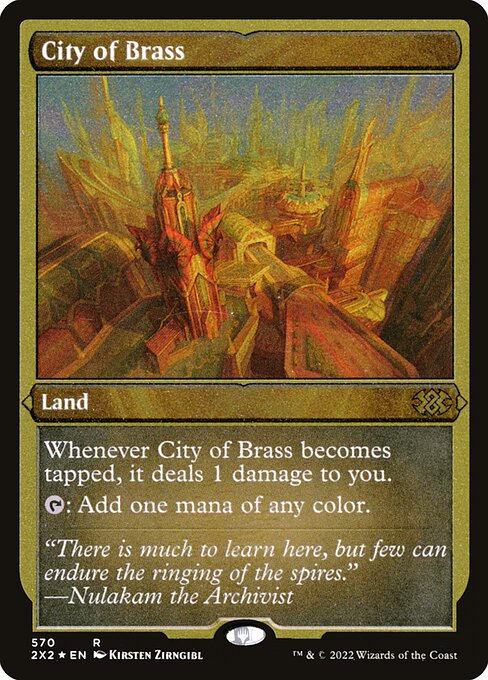
Most Fifth Edition cards are not worth money. The 1997 core set had an enormous print run, and the bulk of it — including nearly all commons, uncommons, and a majority of rares — trades for pennies. The exceptions are a short list of reprints: Necropotence, Sylvan Library, City of Brass, and the Ice Age pain lands.
That honesty matters if you've just unearthed a binder from the late 90s. Fifth Edition is white-bordered, was printed to feed Magic's biggest boom yet, and shares shelf space with the most-opened sets of its era. Value exists, but it's concentrated in a handful of names.
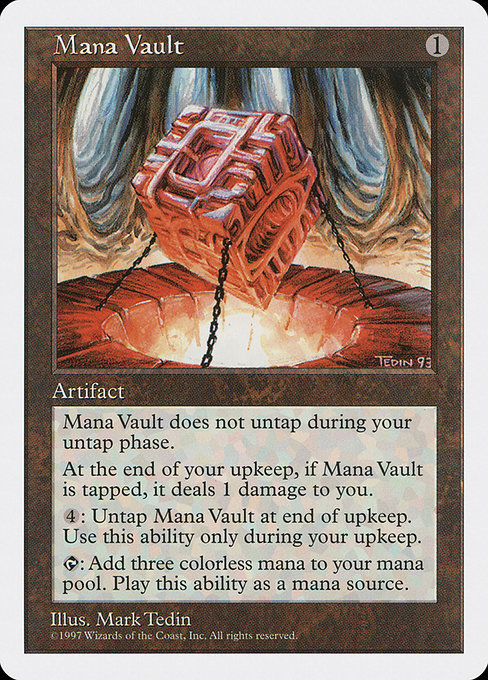
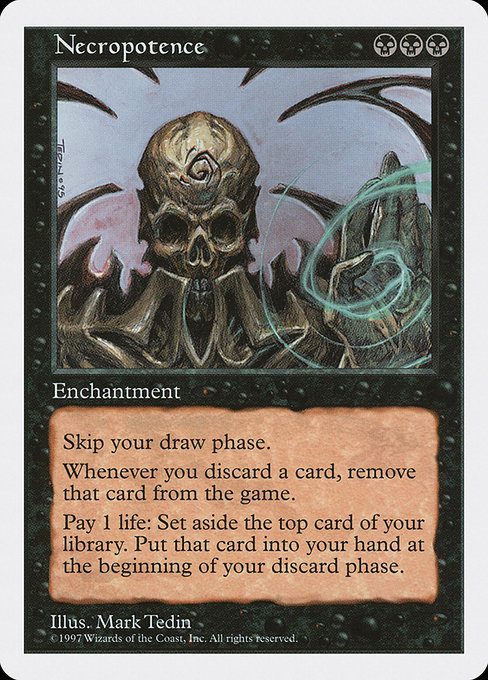
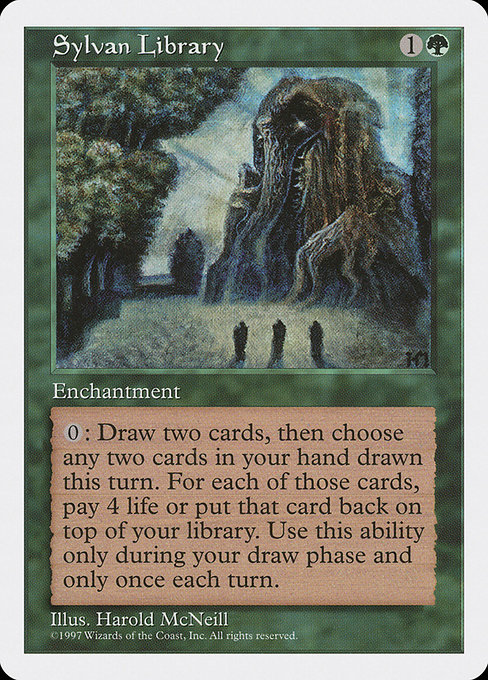
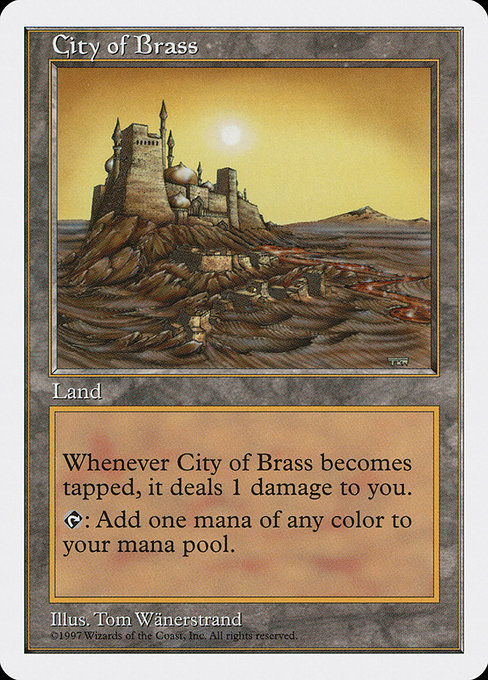
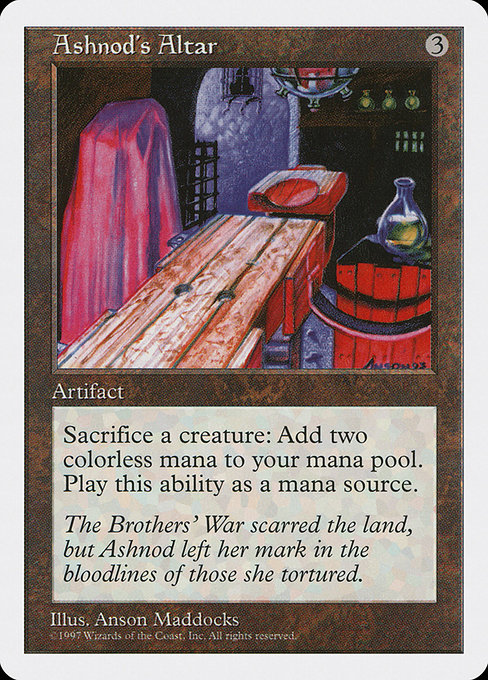
| Card | Set | Rarity | Price |
|---|---|---|---|
| Mana Vault | Fifth Edition | rare | $98 |
| Necropotence | Fifth Edition | rare | $39 |
| Sylvan Library | Fifth Edition | rare | $29 |
| City of Brass | Fifth Edition | rare | $24 |
| Ashnod's Altar | Fifth Edition | uncommon | $16 |
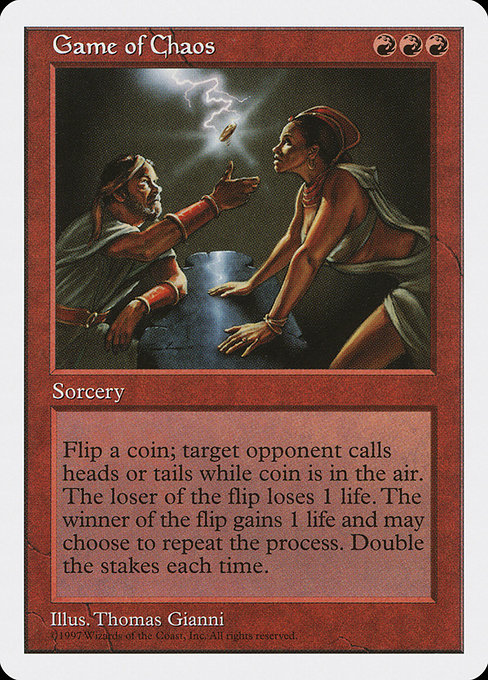 Game of Chaos Game of Chaos | Fifth Edition | rare | $16 |
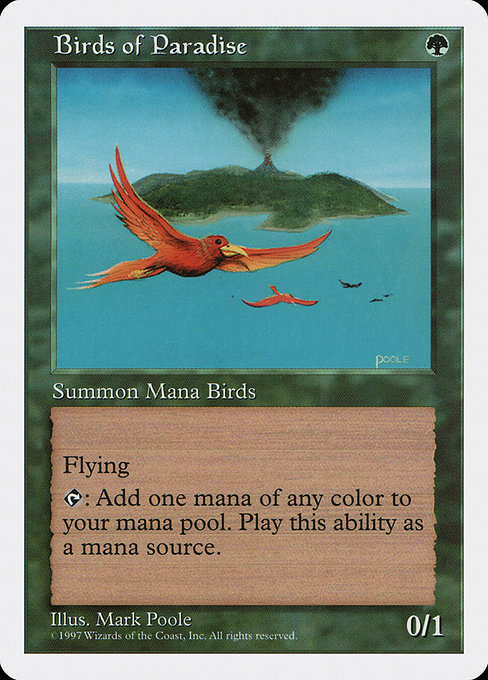 Birds of Paradise Birds of Paradise | Fifth Edition | rare | $14 |
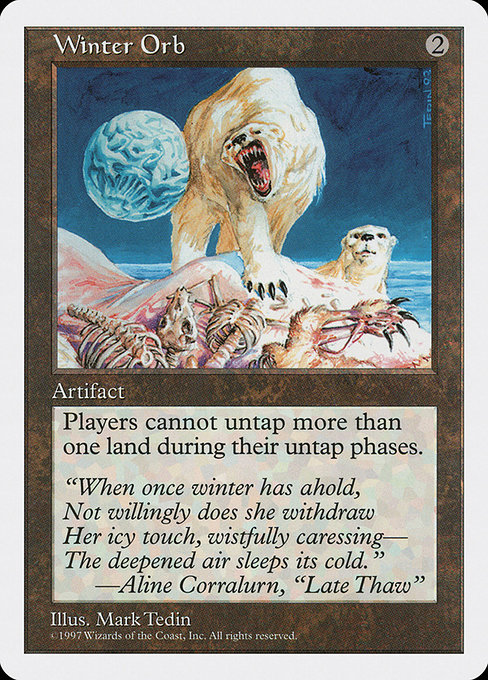 Winter Orb Winter Orb | Fifth Edition | rare | $14 |
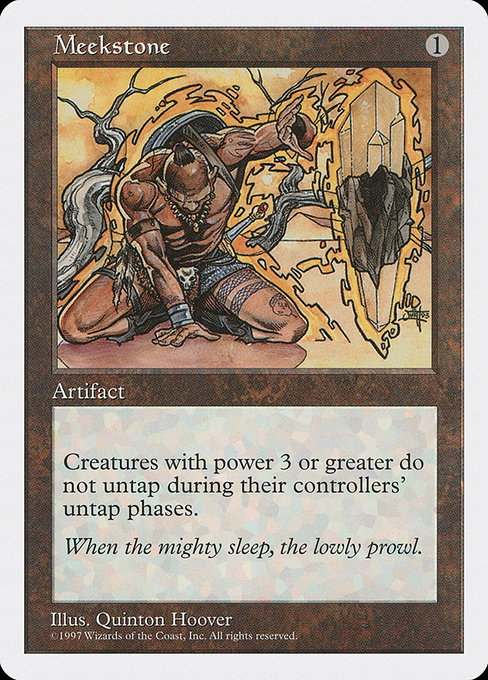 Meekstone Meekstone | Fifth Edition | rare | $13 |
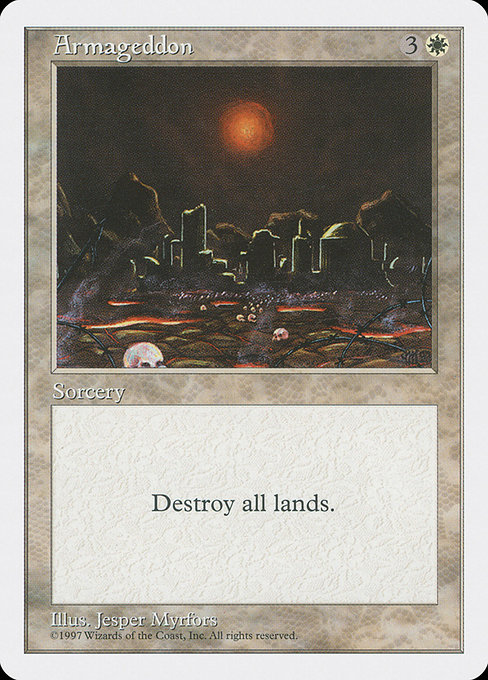 Armageddon Armageddon | Fifth Edition | rare | $12 |
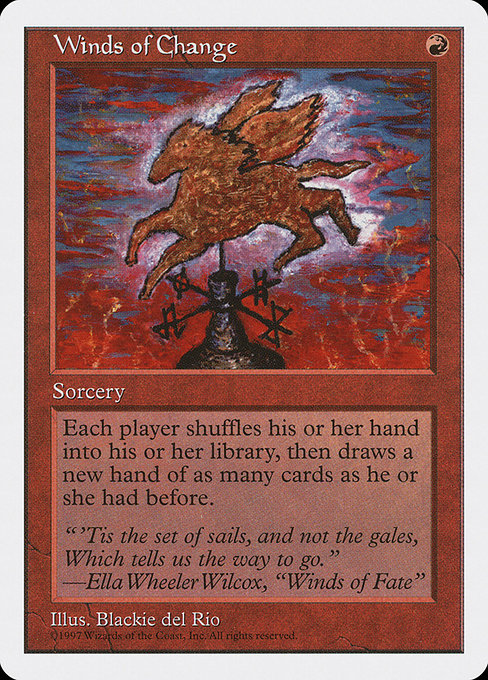 Winds of Change Winds of Change | Fifth Edition | rare | $11 |
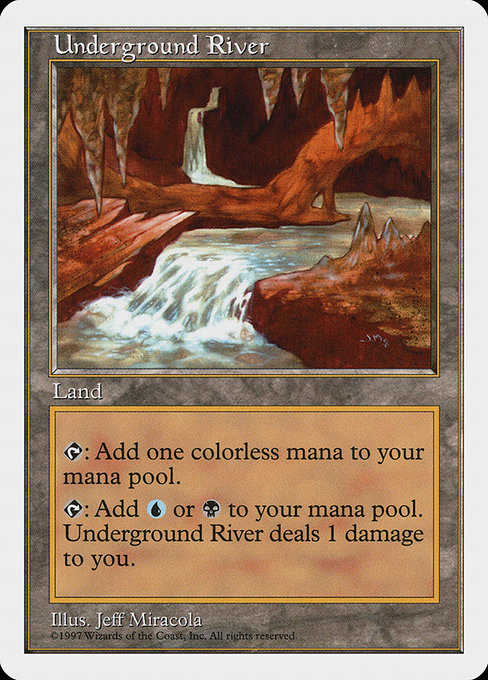 Underground River Underground River | Fifth Edition | rare | $11 |
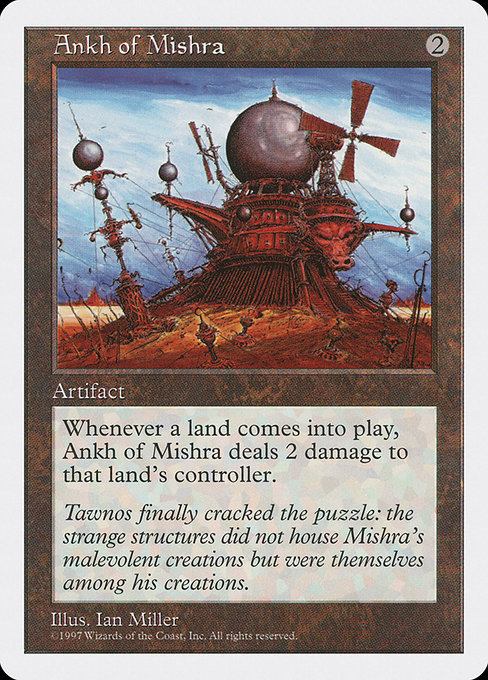 Ankh of Mishra Ankh of Mishra | Fifth Edition | rare | $11 |
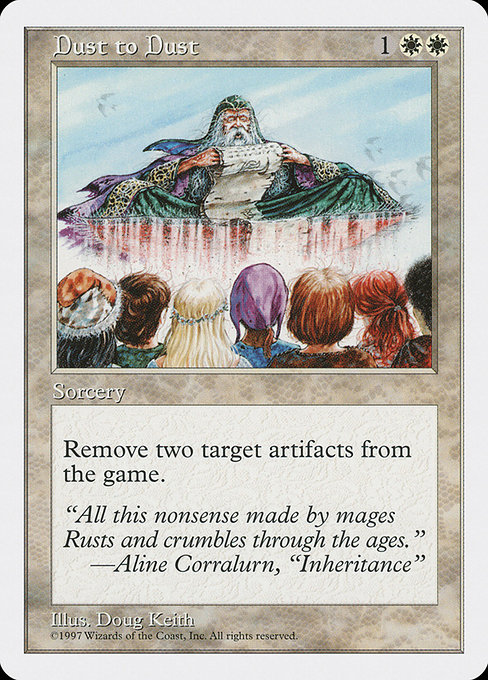 Dust to Dust Dust to Dust | Fifth Edition | uncommon | $10 |
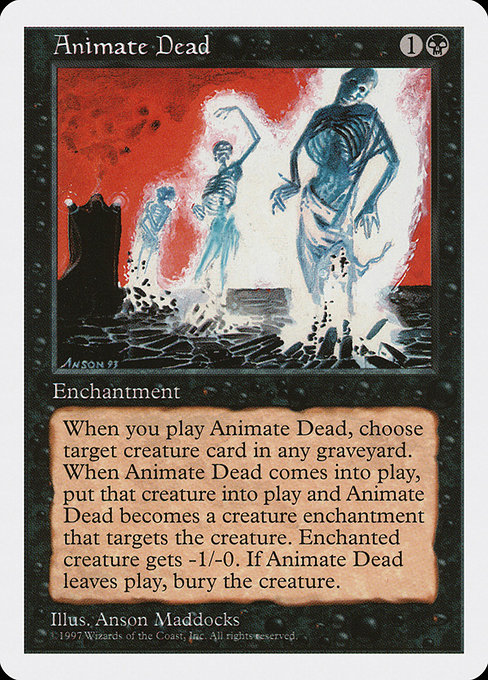 Animate Dead Animate Dead | Fifth Edition | uncommon | $9.99 |
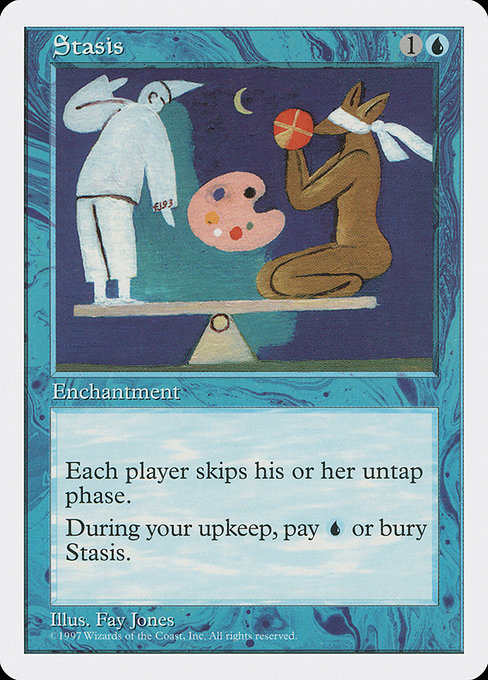 Stasis Stasis | Fifth Edition | rare | $9.75 |
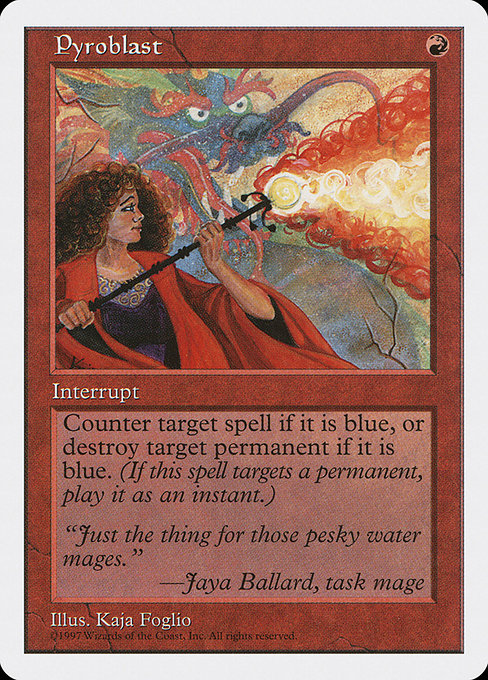 Pyroblast Pyroblast | Fifth Edition | uncommon | $9.55 |
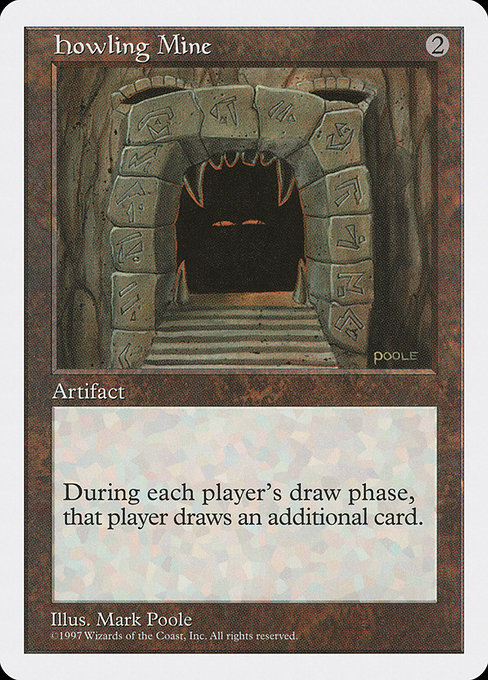 Howling Mine Howling Mine | Fifth Edition | rare | $8.68 |
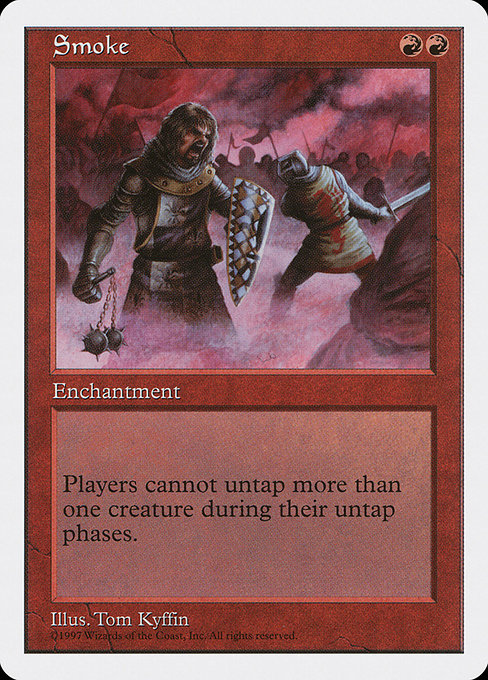 Smoke Smoke | Fifth Edition | rare | $8.26 |
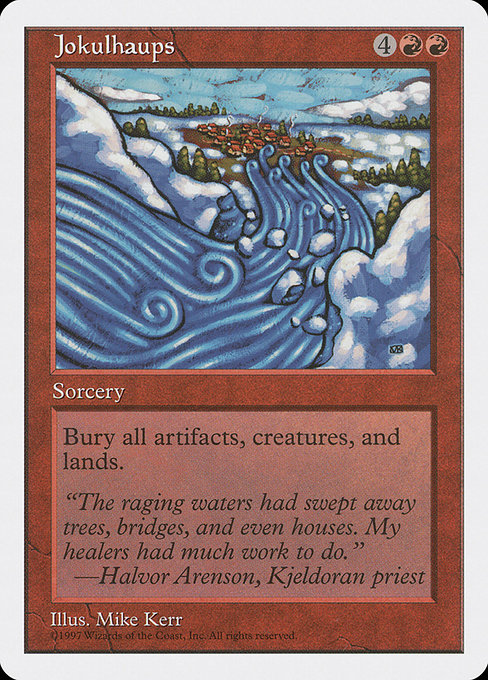 Jokulhaups Jokulhaups | Fifth Edition | rare | $7.21 |
Why Fifth Edition is mostly bulk
At 449 cards, Fifth Edition was the largest Magic set ever printed at its release in March 1997, and it was produced in huge quantities for a rapidly growing player base. Core sets of this era were also all reprints — nothing in Fifth Edition appears there for the first time — so there's no unique-card scarcity to lean on.
White borders carry a real market stigma, too. For most cards, collectors prefer the original black-bordered printing, which leaves the Fifth Edition version as the budget copy. That's not worthless — budget copies of great cards still sell — but it caps the ceiling.
The reprints that actually matter
Necropotence headlines the set. One of the most infamous card-advantage engines ever printed, it makes Fifth Edition the affordable way to own an iconic piece of Magic history. Sylvan Library is the same story: the Legends original costs serious money, so the Fifth Edition copy is the one most Commander players actually sleeve up.
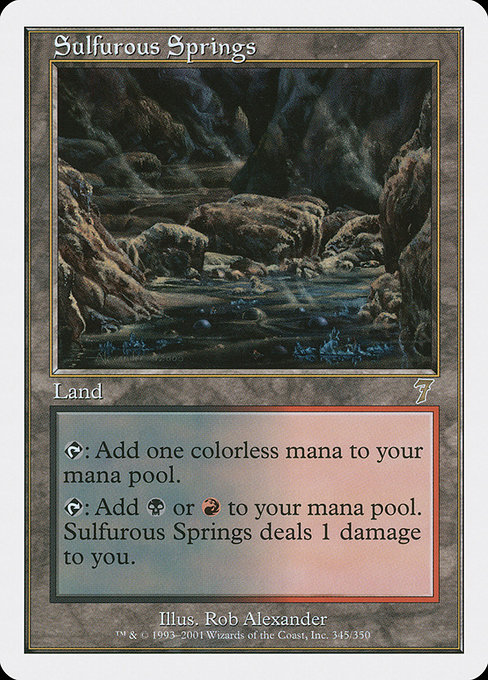
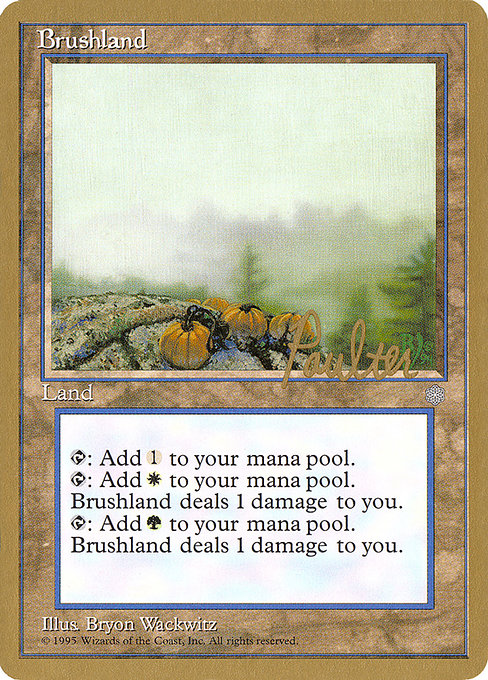
City of Brass remains a playable five-color land with steady demand, and the five Ice Age pain lands — Adarkar Wastes, Brushland, Karplusan Forest, Sulfurous Springs, and Underground River — got Fifth Edition printings that budget players still buy. Among the commons, Dark Ritual and Brainstorm are worth pulling for eternal-format players even if individual copies are cheap.
What Fifth Edition left out
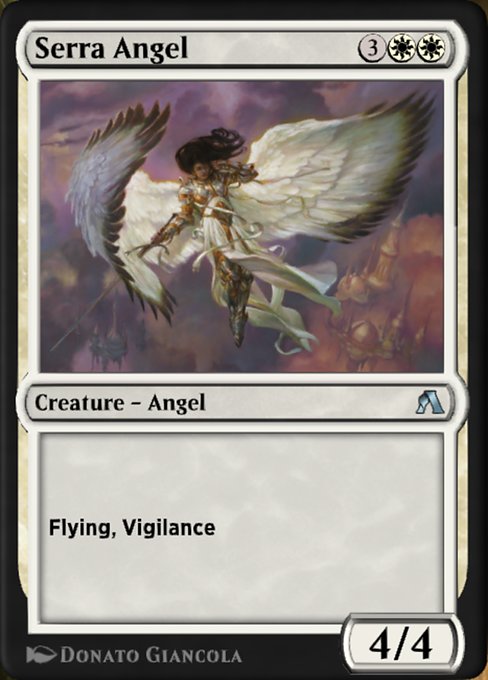
Part of why the set's value is thin: Fifth Edition dropped several marquee cards from the core set rotation. Lightning Bolt and Serra Angel are the famous cuts, and their absence means the set lacks the nostalgic headliners that drive prices in Fourth Edition and Revised.
The flip side is that Fifth Edition kept a deep bench of era-defining utility cards, so a well-preserved collection usually contains something sellable — just not a jackpot.
Condition, lots, and what's actually sellable
Condition does more work on 90s white-border cards than almost anywhere else in Magic. A near-mint Necropotence and a played one are entirely different sales; a played Fifth Edition common is effectively worthless outside a bulk lot. Check edges and surfaces under good light before pricing anything.
For everything below the key rares, think in lots: complete or near-complete sets, playsets of pain lands, and bulk-rare bundles move better than individual listings. Before you box anything up, run the set list against the live prices below — sourced from collections tracked on RareWell — so a sleeper doesn't leave in the bulk box.
Cards mentioned in this guide
Frequently asked questions
- Is a complete Fifth Edition set worth anything?
- It has value, but it's concentrated: Necropotence, Sylvan Library, City of Brass, and the pain lands account for most of it. A complete set sells more on nostalgia and convenience than on any single card.
- Is Fifth Edition Necropotence worth money?
- Yes — it's the set's headline card and the affordable printing of an iconic rare. Condition drives the price heavily, with clean near-mint copies worth meaningfully more than played ones.
- Why are Fifth Edition cards white-bordered?
- Core sets of that era used white borders to mark reprints, reserving black borders for a card's first printing. Collectors generally pay a premium for black-bordered originals, which is why Fifth Edition copies are usually the budget option.
- Are Fifth Edition basic lands worth anything?
- Generally no — they were printed in enormous numbers and remain bulk. Unlike full-art or premium lands, there's no meaningful collector demand for them.